Cara Memilih Inverter Hibrida yang Tepat Berdasarkan Total Daya Panel Surya
Jul 21, 2026
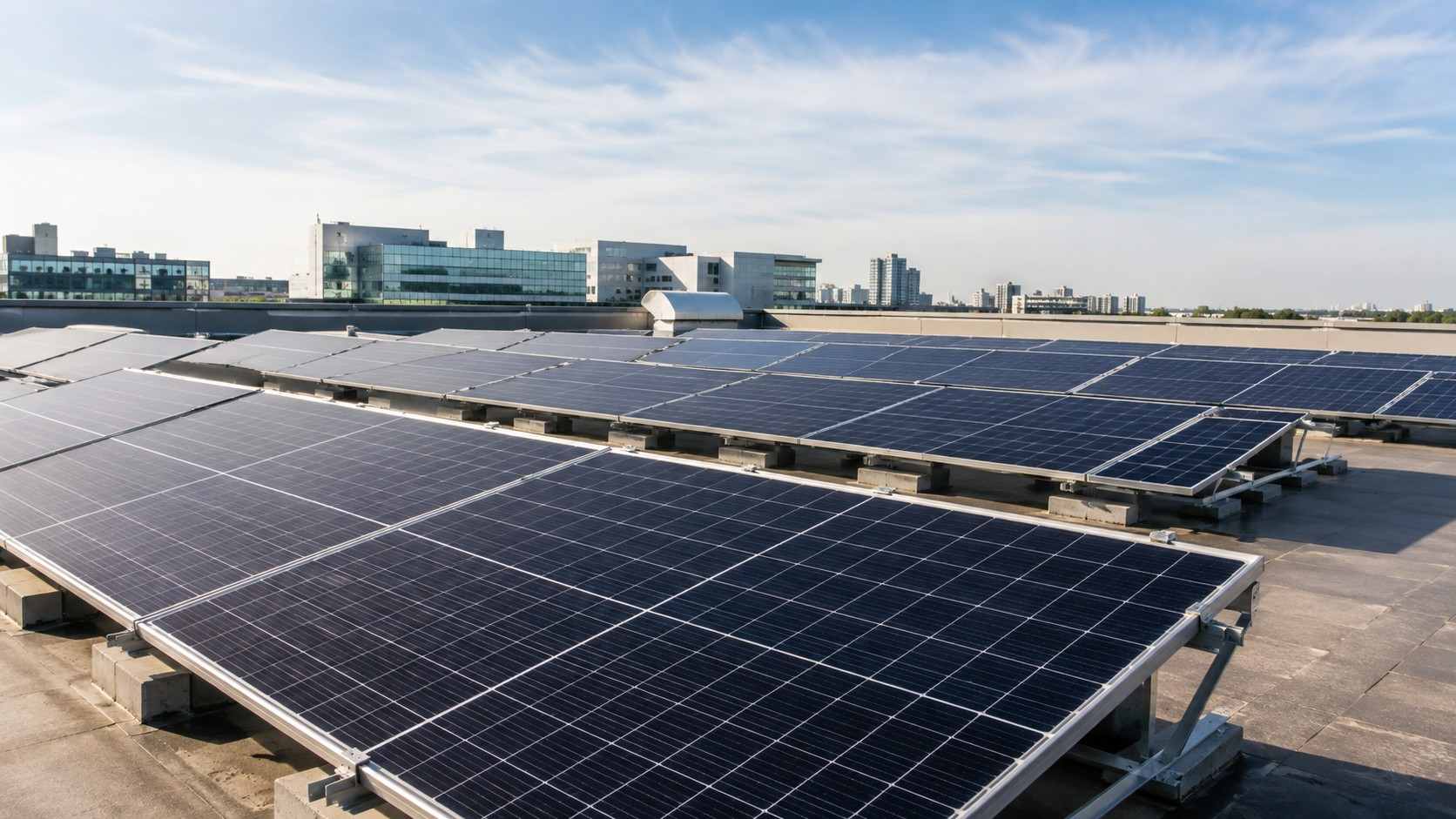
Anda memastikan efisiensi dan keamanan sistem yang optimal dengan mencocokkan daya panel surya Anda dengan inverter berukuran tepat. Penelitian menunjukkan bahwa susunan panel yang tidak sesuai dapat menyebabkan kehilangan energi yang signifikan di seluruh sistem Anda. Opsi panel surya canggih Anern memberikan kinerja tinggi, sementara... Pemasok Grosir Panel Surya Menawarkan solusi yang andal untuk proyek-proyek berskala besar.Poin-Poin PentingHitung total daya keluaran dari susunan panel surya Anda dengan mengalikan daya (watt) setiap panel dengan jumlah panel. Langkah ini sangat penting untuk memilih inverter yang tepat.Gunakan rasio DC/AC antara 1,1 dan 1,3 untuk ukuran inverter yang optimal. Hal ini memastikan pengoperasian yang efisien dan memaksimalkan pemanfaatan energi surya.Selalu cocokkan spesifikasi teknis panel surya Anda dengan inverter. Pencocokan ini sangat penting untuk keamanan sistem, efisiensi, dan keandalan jangka panjang.Penentuan Daya Panel Surya dan Ukuran InverterHitung Total Daya Panel SuryaAnda harus mulai dengan menentukan total daya keluaran dari susunan panel surya Anda. Perhitungan ini menjadi dasar untuk memilih inverter panel surya yang tepat untuk instalasi komersial apa pun. Metode standar industri melibatkan perkalian daya terukur setiap panel dengan jumlah panel dalam sistem Anda. Misalnya, jika Anda menggunakan Anern's Panel Surya Tipe P 460W Potongan SetengahJika Anda memasang 20 panel, total daya panel surya Anda akan menjadi 9.200W.Tip: Selalu gunakan peringkat Kondisi Uji Standar (STC) untuk setiap panel guna memastikan perhitungan yang akurat.Tabel berikut menguraikan pendekatan yang direkomendasikan untuk menghitung total daya panel surya dalam sistem komersial:KomponenKeteranganDaya susunan PVDaya panel (STC) × jumlah panelRata-rata jam sinar matahariRata-rata tahunan (biasanya 4,0–5,5 jam untuk sebagian besar lokasi komersial)Faktor efisiensiGunakan 75% untuk kondisi umum, hingga 80% untuk instalasi ideal.Watt-jam harianDaya susunan PV × jam sinar matahari × faktor efisiensiContoh9.200W × 5,5 jam × 0,75 = 37.950 Wh atau 37,95 kWh per hariOrientasi dan kemiringan panel juga memainkan peran penting dalam memaksimalkan keluaran energi. Anda harus memposisikan panel agar sesuai dengan garis lintang lokasi pemasangan dan mengarahkannya ke arah khatulistiwa. Pendekatan ini memastikan iradiasi dan total pembangkitan daya setinggi mungkin. Bahkan bayangan kecil pun dapat menyebabkan kerugian yang signifikan, jadi Anda harus merancang susunan panel Anda untuk meminimalkan bayangan sepanjang hari.Terapkan Rasio DC/AC untuk Penentuan UkuranSetelah menghitung total daya panel surya Anda, Anda perlu menerapkan rasio DC/AC untuk menentukan ukuran inverter yang optimal. Rasio DC/AC membandingkan total daya DC dari panel Anda dengan daya AC yang mampu dihasilkan inverter Anda. Standar internasional merekomendasikan rasio DC/AC antara 1,1 dan 1,3 untuk sebagian besar instalasi surya komersial. Rentang ini memungkinkan inverter Anda beroperasi secara efisien dan memastikan pemanfaatan energi surya yang tinggi.Sebagian besar inverter panel surya modern mendukung beban berlebih AC kontinu hingga 1,1x.Rasio DC/AC sebesar 1,2 hingga 1,5 ideal untuk ekspor nol yang andal dan konsumsi sendiri yang tinggi.Sebagai contoh, susunan panel surya 12 kW biasanya cocok dipasangkan dengan inverter 10 kW untuk panel surya.Catatan: Memilih ukuran panel surya yang lebih besar membantu inverter mencapai efisiensi puncak lebih awal di siang hari dan mengimbangi degradasi panel seiring waktu.Rasio Beban Inverter (Inverter Loading Ratio/ILR) adalah metrik kunci lainnya. ILR yang dirancang dengan baik memungkinkan inverter Anda beroperasi dalam rentang paling efisien untuk jangka waktu yang lebih lama, yang meningkatkan produksi energi dan memperpanjang umur sistem Anda. Dengan mempertahankan ILR yang sedikit lebih tinggi, Anda dapat menangkap lebih banyak energi selama hari-hari berawan dan mengimbangi kerugian kinerja jangka panjang.Sesuaikan Spesifikasi Inverter dengan Susunan Panel SuryaAnda harus memastikan bahwa spesifikasi teknis susunan panel surya Anda sesuai dengan inverter yang Anda pilih. Langkah ini sangat penting untuk keamanan sistem, efisiensi, dan keandalan jangka panjang. Tabel berikut merangkum spesifikasi utama yang perlu Anda cocokkan:SpesifikasiKeteranganPeringkat Tegangan dan DayaTegangan total rangkaian panel surya Anda harus berada dalam rentang tegangan operasi MPPT inverter.Tegangan Sirkuit Terbuka (Voc)Tegangan rangkaian terbuka (Voc) gabungan dari panel surya Anda tidak boleh melebihi tegangan input DC maksimum inverter.Peringkat Saat IniArus total dari panel surya Anda tidak boleh melebihi batas arus masukan inverter.Kompatibilitas InverterPastikan semua panel dan inverter menggunakan protokol komunikasi dan konektor yang kompatibel.Jika Anda menggunakan panel berdaya tinggi, seperti panel buatan Anern Panel Surya Bifacial Tipe N 580WAnda harus memberikan perhatian khusus pada perhitungan tegangan dan arus. Sistem tegangan yang lebih tinggi mengurangi aliran arus, yang meminimalkan kerugian kabel dan meningkatkan efisiensi energi secara keseluruhan. Anda harus selalu memastikan bahwa konfigurasi panel Anda sesuai dengan rentang MPPT inverter. Jika tegangan berada di luar rentang ini, inverter mungkin tidak beroperasi secara efisien atau dapat mati.Panggilan: Ketidaksesuaian arus pada panel yang terhubung seri menyebabkan seluruh rangkaian beroperasi pada arus terendah, sehingga membuang energi potensial. Selalu sesuaikan spesifikasi panel dan inverter untuk menghindari kerugian kinerja kumulatif.Mempertimbangkan Kebutuhan Baterai dan Jaringan ListrikUntuk instalasi tenaga surya komersial, Anda juga harus mempertimbangkan persyaratan jaringan listrik saat memilih inverter panel surya Anda. Inverter harus mendukung mode operasional yang dibutuhkan untuk bisnis Anda, seperti terhubung ke jaringan listrik, cadangan, konsumsi sendiri, atau pengurangan beban puncak. Tabel berikut menguraikan mode koneksi jaringan listrik yang umum:ModeKeteranganTerhubung ke Jaringan ListrikBeroperasi sebagai sistem standar yang terhubung ke jaringan listrik.CadanganMenyediakan daya saat terjadi pemadaman listrik jaringan.Konsumsi SendiriMemprioritaskan penggunaan langsung energi surya.Pencukuran PuncakMengurangi konsumsi listrik jaringan selama periode tarif tinggi.Anda harus memastikan bahwa tegangan inverter selaras dengan tegangan jaringan di lokasi pemasangan Anda. Untuk sistem komersial skala besar, konfigurasi tegangan yang lebih tinggi (seperti 48V atau lebih) adalah standar, karena mendukung kapasitas daya yang lebih besar dan meningkatkan keselamatan. Selalu verifikasi bahwa inverter untuk panel surya Anda memenuhi kode jaringan lokal dan persyaratan utilitas.Tip: Lakukan inspeksi koneksi secara berkala dan pantau log sistem untuk menjaga output optimal dan keandalan sistem.Dengan mengikuti langkah-langkah ini, Anda memastikan bahwa perangkat panel surya Anda yang dilengkapi baterai dan inverter menghasilkan output energi maksimum, efisiensi tinggi, dan nilai jangka panjang bagi klien komersial Anda.Memilih Inverter Hibrida Surya yang TepatPeriksa Kompatibilitas Inverter Panel SuryaAnda harus mengevaluasi beberapa faktor untuk memastikan panel surya dan inverter hibrida Anda bekerja bersama secara efisien. Mulailah dengan memastikan bahwa tegangan dan arus inverter sesuai dengan output panel Anda. Misalnya, saat menggunakan opsi canggih seperti Panel Surya Bifacial Tipe N 580W, Anda perlu memeriksa apakah rentang MPPT inverter selaras dengan titik daya maksimum panel. Tinjau kapasitas daya inverter dan pastikan terintegrasi dengan standar jaringan sistem Anda. Nilai kesesuaian baterai dan inverter, bahkan jika instalasi Anda saat ini tidak termasuk penyimpanan, untuk mempersiapkan sistem Anda di masa depan. Cari efisiensi konversi yang tinggi, beberapa input MPPT, dan fitur perlindungan yang kuat. Inverter hibrida yang andal juga mendukung pemantauan jarak jauh dan manajemen energi cerdas, yang sangat penting untuk instalasi surya komersial.Kapasitas daya dan integrasi sistemKompatibilitas baterai dan fungsi kontrolEfisiensi konversi dan optimasi MPPTPerforma cadangan dan di luar jaringan listrikPemantauan jarak jauh dan manajemen energi cerdasSertifikasi, fitur perlindungan, dan daya tahan konstruksi.Hindari ukuran yang terlalu besar atau terlalu kecil.Penentuan ukuran inverter surya yang tepat sangat penting untuk sistem panel surya komersial. Ukuran inverter hibrida yang terlalu besar menyebabkan efisiensi yang buruk pada beban rendah, pemborosan uang untuk kapasitas yang tidak terpakai, dan peningkatan konsumsi daya parasit. Ukuran yang terlalu kecil membatasi total daya keluaran dan dapat memperpendek umur panel dan inverter Anda. Tabel berikut merangkum skenario pemilihan daya inverter hibrida umum dan implikasi biaya jangka panjangnya:SkenarioEfisiensiLimbah EnergiBiaya AwalDaya Tahan BateraiInverter dengan Ukuran yang TepatTinggiRendahLebih rendahDiperpanjangInverter Ukuran BesarRendahTinggiLebih tinggiDikurangiKesalahan umum meliputi mengabaikan kompatibilitas, mengabaikan peringkat efisiensi, dan memilih hanya berdasarkan biaya awal. Anda harus selalu menilai kompatibilitas komponen dan berkonsultasi dengan para profesional.Rencana Ekspansi Pembangkit Listrik di Masa DepanAnda harus merencanakan peningkatan kapasitas panel surya di masa mendatang. Pilih inverter hibrida yang memungkinkan ekspansi modular dan mendukung panel tambahan. Banyak inverter hibrida surya komersial memiliki unit daya yang dapat ditumpuk dan antarmuka plug-and-play, sehingga mudah untuk meningkatkan kapasitas dari 5kW menjadi 30kW atau lebih. Firmware yang dapat ditingkatkan di lapangan dan port komunikasi yang tahan masa depan memastikan sistem Anda tetap kompatibel dengan standar yang terus berkembang. Kit panel surya yang dirancang dengan baik dengan baterai dan inverter mendukung pertumbuhan jangka panjang dan memaksimalkan keluaran energi.FiturKeteranganUnit Daya yang Dapat DitumpukTingkatkan kapasitas dari 5kW menjadi 30kW+ dengan menambahkan unit.Ekspansi Plug-and-PlayTambahkan panel dan penyimpanan secara bertahap.Komunikasi yang Siap Menghadapi Masa DepanBerbagai port untuk standar jaringan yang terus berkembang.Firmware yang Dapat Diperbarui di LapanganDapatkan pembaruan dan fitur baru secara berkala.Dengan mencocokkan panel surya dan inverter hibrida dengan benar, Anda memastikan output tinggi, keandalan sistem, dan nilai jangka panjang untuk setiap instalasi tenaga surya komersial. Pencocokan inverter yang tepat meningkatkan keandalan dan kinerja sistem dengan mendukung stabilitas jaringan dan penyaluran daya berkualitas tinggi.Anda harus mengikuti proses langkah demi langkah untuk menentukan ukuran daya panel surya Anda dan berkonsultasi dengan para profesional untuk solusi yang sesuai. Pertimbangkan perubahan musim, rawat sistem surya Anda, dan tinjau semua persyaratan teknis sebelum menyelesaikan pemilihan inverter Anda.Pertanyaan yang Sering Diajukan (FAQ)Bagaimana cara menghitung ukuran inverter yang tepat untuk susunan panel surya komersial?Anda mengalikan total daya panel dengan rasio DC/AC yang direkomendasikan, lalu pilih inverter dengan peringkat tegangan dan arus yang sesuai.Apa yang terjadi jika Anda memilih inverter yang terlalu besar atau terlalu kecil?Ukuran yang terlalu besar akan membuang energi dan uang. Ukuran yang terlalu kecil akan membatasi daya keluaran dan memperpendek umur peralatan. Anda harus selalu menyesuaikan ukuran inverter dengan total daya panel surya Anda.Mengapa Anda perlu memeriksa rentang MPPT saat memilih inverter?Anda memastikan tegangan rangkaian panel sesuai dengan rentang MPPT inverter. Langkah ini memaksimalkan pengumpulan energi dan mencegah pemadaman sistem.






 DIDUKUNG JARINGAN
 Bahasa


