

Bagaimana Integrasi Jaringan Listrik Bekerja untuk Sistem Tenaga Surya Terpadu Skala Besar?
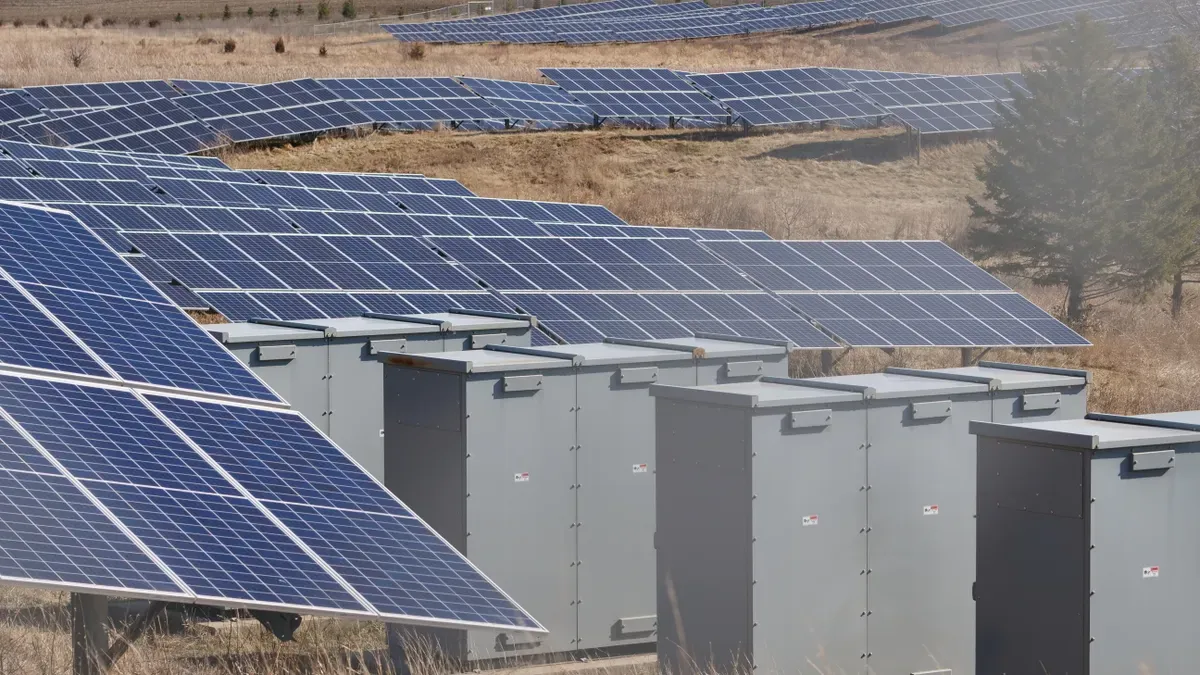
Anda menghubungkan sistem tenaga surya terintegrasi skala besar langsung ke jaringan listrik menggunakan teknologi inverter canggih dan protokol kepatuhan yang disesuaikan untuk operasi komersial. Integrasi ini memungkinkan bisnis Anda mencapai produksi energi surya yang stabil, yang meningkatkan efisiensi operasional dan memperkuat keandalan sumber daya. Saat Anda menghadapi pemadaman jaringan listrik yang tak terduga, solusi seperti Sumber Daya Listrik Cadangan Darurat Memastikan keberlangsungan komersial dengan menjaga aliran daya. Integrasi jaringan yang andal mendukung strategi manajemen energi Anda, memungkinkan Anda memaksimalkan nilai investasi tenaga surya dan mempertahankan kinerja bisnis dengan Sistem Tenaga Surya Terintegrasi.
Mengintegrasikan sistem tenaga surya dengan jaringan listrik meningkatkan efisiensi dan keandalan energi bagi bisnis.
Memilih teknologi modul surya yang tepat dapat secara signifikan meningkatkan keluaran energi dan kinerja jangka panjang.
Teknologi inverter yang efisien dan pengukuran dua arah sangat penting untuk memaksimalkan pengelolaan energi surya.
Sistem net metering memungkinkan bisnis untuk mendapatkan kredit atas kelebihan energi surya, sehingga mengurangi biaya operasional.
Berinvestasi dalam sistem penyimpanan baterai memastikan pasokan energi yang stabil dan memaksimalkan nilai investasi energi surya.
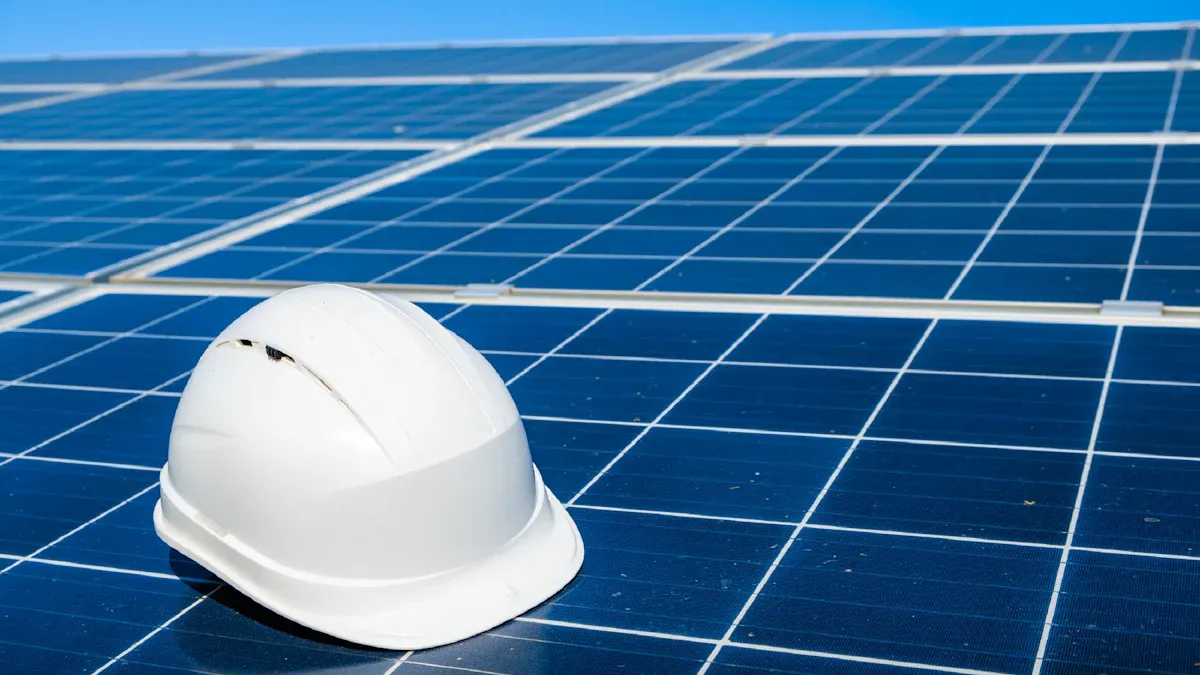
Anda memulai integrasi jaringan tenaga surya dengan berfokus pada pembangkitan dan pengumpulan energi surya yang efisien. Sistem tenaga surya komersial menggunakan modul fotovoltaik canggih untuk memaksimalkan keluaran energi. Teknologi yang paling umum meliputi modul TOPCon tipe N, modul PERC, dan modul bifacial. Setiap jenis menawarkan keunggulan unik untuk integrasi jaringan tenaga surya di lingkungan komersial.
Jenis Teknologi | Keterangan | Fitur Utama |
|---|---|---|
Modul TOPCon tipe N | Memberikan performa yang kuat pada suhu tinggi. | Efisiensi tinggi |
Modul PERC | Berkinerja baik di berbagai iklim | Serbaguna dan dapat diandalkan |
Modul bifasial | Menangkap cahaya pantulan untuk produksi energi berlebih. | Peningkatan hasil energi |
Inverter | Mengubah arus DC dari panel surya menjadi arus AC agar kompatibel dengan jaringan listrik. | Penting untuk integrasi jaringan tenaga surya |
Bank baterai LiFePO4 | Menyediakan penyimpanan energi yang aman dan berkapasitas besar. | Mendukung permintaan puncak dan stabilitas jaringan listrik. |
Anda memasang modul surya ini di lokasi optimal untuk menangkap sinar matahari secara maksimal. Teknisi listrik bersertifikasi menangani pemasangan kabel, memastikan setiap panel terhubung dengan lancar ke layanan listrik utama. Langkah ini meletakkan dasar untuk integrasi jaringan surya yang andal, memungkinkan bisnis Anda untuk memanfaatkan energi bersih dan mempersiapkan fase selanjutnya dari proses tersebut.
Tip: Memilih teknologi modul surya yang tepat dapat secara signifikan memengaruhi hasil energi sistem Anda dan kinerja jangka panjang dalam integrasi jaringan surya.
Teknologi inverter memainkan peran sentral dalam integrasi jaringan listrik tenaga surya. Anda bergantung pada inverter untuk mengubah arus searah (DC) yang dihasilkan oleh panel surya menjadi arus bolak-balik (AC), yang sesuai dengan kebutuhan jaringan listrik. Inverter modern mencapai tingkat efisiensi antara 96% dan 99%, dengan beberapa model mencapai hingga 98,4%. Efisiensi tinggi ini memastikan kehilangan energi minimal selama konversi, memaksimalkan nilai investasi tenaga surya Anda.
Anda juga menggunakan meteran dua arah dalam integrasi jaringan tenaga surya komersial. Meteran ini mengukur energi yang Anda impor dari jaringan dan energi yang Anda ekspor kembali. Dalam sistem net metering, Anda dapat memperoleh kredit untuk kelebihan energi surya yang dikirim ke jaringan, sehingga mengurangi biaya listrik Anda. Dalam skenario di mana kontrol ekspor nol diperlukan, meteran dua arah berkomunikasi dengan inverter untuk mencegah kelebihan energi mengalir ke jaringan, menjaga kepatuhan dan stabilitas sistem.
Catatan: Teknologi inverter yang efisien dan pengukuran dua arah yang akurat sangat penting untuk integrasi jaringan tenaga surya yang mulus dan manajemen energi yang optimal.
Menghubungkan sistem tenaga surya komersial Anda ke jaringan listrik melibatkan beberapa langkah penting. Anda harus berkoordinasi dengan para ahli utilitas dan mengajukan permohonan ke perusahaan utilitas. Setelah instalasi, Anda memperoleh izin operasi (PTO), yang memastikan sistem Anda memenuhi semua persyaratan teknis dan peraturan untuk integrasi tenaga surya ke jaringan listrik.
Tahapan utama dalam menghubungkan sistem tenaga surya terintegrasi komersial ke jaringan listrik meliputi:
Integrasi sistem dan koneksi utilitas dengan koordinasi ahli.
Pemasangan instalasi listrik oleh tenaga profesional bersertifikat untuk pemasangan kabel yang aman.
Pengaturan net metering dan interkoneksi utilitas, termasuk pengurusan dokumen dan inspeksi.
Pengoperasian dan pengujian ketat untuk memverifikasi kinerja puncak.
Anda harus mematuhi kode bangunan komersial, Kode Kelistrikan Nasional (NEC), dan Kode Bangunan Internasional (IBC). Dokumentasi teknis terperinci diperlukan untuk perizinan dan persetujuan. Mematuhi standar interkoneksi memastikan sistem tenaga surya Anda beroperasi dengan aman dan efisien di dalam jaringan listrik. Kepatuhan terhadap kode jaringan melindungi dari fluktuasi tegangan dan frekuensi, mendukung integrasi tenaga surya ke jaringan listrik yang andal.
Anda mungkin akan menghadapi tantangan seperti keterbatasan kapasitas jaringan, proses administrasi yang kompleks, dan pertimbangan keuangan. Mengatasi persyaratan ini sangat penting untuk keberhasilan integrasi jaringan tenaga surya dan keandalan energi jangka panjang bagi bisnis Anda.
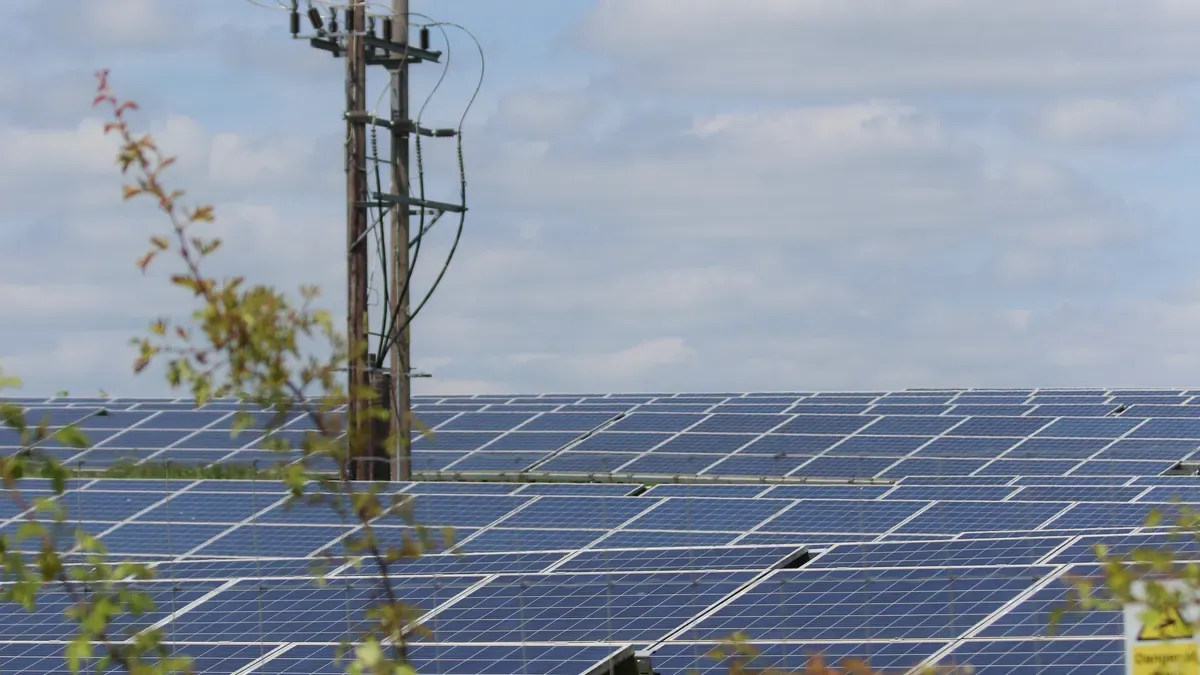
Anda mengelola tenaga surya dalam sistem komersial dengan menggunakan elektronika daya canggih yang mengontrol pergerakan energi surya antara panel, unit penyimpanan, dan beban. Inverter hibrida mengubah arus searah dari panel surya menjadi arus bolak-balik untuk jaringan listrik. Inverter ini juga menangani pengisian dan pengosongan baterai, mengoptimalkan ekstraksi tenaga surya. Sistem premium mencapai tingkat efisiensi di atas 97 persen, meminimalkan kehilangan energi. Sistem Anda beralih antar mode operasi, mengarahkan kelebihan tenaga surya ke baterai dan mengambilnya saat dibutuhkan. Inovasi dalam teknologi konverter meningkatkan kepadatan daya dan mengurangi pembangkitan panas, meningkatkan kinerja keseluruhan.
Aspek | Keterangan |
|---|---|
Manajemen Aliran Energi | Elektronik daya canggih mengelola aliran energi dua arah antara panel surya, unit penyimpanan, dan beban. |
Teknologi Inverter | Inverter hibrida mengubah arus DC menjadi AC, mengelola pengisian/pengosongan baterai, dan mengoptimalkan ekstraksi energi. |
Efisiensi | Sistem premium mencapai tingkat efisiensi melebihi 97%, meminimalkan kehilangan energi selama konversi. |
Mode Operasi | Sistem beralih dengan mulus antar mode, mengarahkan kelebihan energi ke baterai dan mengambilnya saat dibutuhkan. |
Inovasi | Penelitian telah menghasilkan peningkatan kepadatan daya dan pengurangan pembangkitan panas pada konverter, sehingga meningkatkan kinerja sistem. |
Anda mendapat manfaat dari kebijakan net metering yang memungkinkan bisnis Anda memperoleh kredit untuk kelebihan energi surya yang dikirim ke jaringan listrik. Versi net metering berbeda-beda menurut wilayah dan perusahaan utilitas, yang memengaruhi cara Anda menerima kompensasi.
Versi Pengukuran Bersih | Keterangan |
|---|---|
Pengukuran Bersih 1.0 | Kredit untuk listrik yang diekspor dengan harga eceran penuh. |
Pengukuran Bersih 2.0 | Kredit dengan tarif ritel penuh dikurangi biaya yang tidak dapat dihindari. |
Pengukuran Bersih 3.0 | Kredit berdasarkan tingkat penghematan biaya, secara signifikan menurunkan penggantian biaya sekitar 75%. |
Jika sistem tenaga surya Anda menghasilkan energi surya lebih banyak daripada yang dikonsumsi bisnis Anda, Anda akan mengumpulkan kredit tagihan. Anda dapat menggunakan kredit ini di bulan-bulan mendatang. Beberapa negara bagian mengizinkan kredit untuk dibawa ke bulan berikutnya hingga 24 bulan, sementara yang lain kedaluwarsa setiap tahun. Net metering grup memungkinkan Anda untuk berbagi kredit dengan beberapa akun utilitas, menurunkan biaya operasional bagi organisasi yang tidak dapat memasang panel surya di properti mereka sendiri.
Anda menyeimbangkan pasokan dan permintaan dengan berkolaborasi dengan operator jaringan dan perusahaan utilitas. Solusi penyimpanan energi memainkan peran penting dalam mengelola fluktuasi daya surya. Teknologi jaringan pintar dan program respons permintaan membantu Anda menyesuaikan pola konsumsi dan menjaga stabilitas jaringan. Anda menyimpan kelebihan energi surya selama permintaan rendah dan melepaskannya selama permintaan puncak, memastikan pasokan yang stabil. Sistem penyimpanan baterai memantau penggunaan dan memperkirakan permintaan, mengoptimalkan jadwal pengisian dan pengosongan. Sistem ini menstabilkan pasokan daya, mengelola perubahan beban, dan meningkatkan kualitas daya.
Anda bergantung pada Sistem Penyimpanan Baterai Tenaga Surya Untuk meningkatkan manajemen energi bagi proyek tenaga surya komersial. Kapasitas penyimpanan berkisar dari 20 MWh hingga 300 MWh, mendukung operasi skala besar. Penyimpanan baterai memungkinkan Anda untuk memisahkan pembangkitan tenaga surya dari konsumsi, mencegah kelebihan produksi dan memastikan keandalan selama periode produksi energi surya yang rendah. Perangkat lunak canggih mengoptimalkan aliran energi, memperpanjang umur peralatan dan meningkatkan stabilitas jaringan.
Tip: Berinvestasi pada sistem penyimpanan baterai tenaga surya yang andal membantu bisnis Anda menjaga operasional tanpa gangguan dan memaksimalkan nilai investasi energi surya Anda.
Anda menghadapi tantangan signifikan terkait variabilitas dan intermitensi saat mengintegrasikan energi surya ke dalam jaringan listrik. Output energi surya berubah dengan cepat karena cuaca, tutupan awan, dan waktu dalam sehari. Fluktuasi ini menyulitkan untuk menjaga keseimbangan yang stabil antara pasokan dan permintaan energi. Variabilitas pembangkitan energi surya dapat menyebabkan masalah dengan kualitas daya dan stabilitas sistem. Ketika output energi surya tiba-tiba turun, jaringan listrik dapat mengalami penyimpangan frekuensi, yang dapat mengancam stabilitas. Anda dapat mengurangi efek ini dengan menggabungkan output dari beberapa sistem energi surya. Sistem gabungan menunjukkan variabilitas yang lebih rendah daripada instalasi individual, sehingga lebih mudah untuk mengelola aliran energi dan menjaga stabilitas jaringan listrik.
Variabilitas keluaran energi surya dapat mengganggu keseimbangan antara penawaran dan permintaan.
Menggabungkan output dari berbagai sistem tenaga surya membantu mengurangi dampak negatif pada jaringan listrik.
Variabilitas deterministik terkait dengan kondisi langit cerah, sedangkan variabilitas stokastik berasal dari tutupan awan.
Menjaga stabilitas dan keandalan jaringan listrik sangat penting untuk proyek tenaga surya komersial. Anda harus mengatasi beberapa tantangan teknis selama proses interkoneksi tenaga surya:
Fluktuasi dan pengaturan tegangan
Kontribusi korsleting
Pengasingan tak disengaja
Variasi dan pengaturan frekuensi
Kebutuhan daya reaktif
Untuk mengatasi tantangan ini, Anda dapat menggunakan strategi tingkat lanjut. Tabel di bawah ini menguraikan solusi-solusi utama:
Strategi | Keterangan |
|---|---|
Inverter Pintar | Memberikan respons cepat terhadap perubahan produksi energi surya, mendukung stabilitas jaringan listrik. |
Sistem Penyimpanan Energi | Simpan kelebihan energi surya untuk digunakan selama permintaan puncak, sehingga menyeimbangkan pasokan dan permintaan. |
Respons Permintaan | Sesuaikan penggunaan listrik agar sesuai dengan produksi energi surya, sehingga meningkatkan keandalan jaringan listrik. |
Manajemen Beban | Alihkan konsumsi energi ke periode dengan keluaran energi matahari yang tinggi menggunakan kontrol otomatis. |
Evolusi Kerangka Regulasi | Terapkan kontrol tegangan dan frekuensi yang lebih ketat untuk hasil proses interkoneksi tenaga surya yang lebih baik. |
Anda harus berkoordinasi erat dengan perusahaan utilitas untuk memastikan proses interkoneksi tenaga surya yang lancar dan pengiriman energi yang andal. Perusahaan utilitas menggunakan teknologi canggih, seperti fitur yang sesuai dengan jaringan dan pemantauan waktu nyata, untuk mendukung aliran energi yang stabil. Mereka merancang sistem perlindungan untuk mengelola berbagai sumber daya listrik dengan aman. Perusahaan utilitas juga memantau operasi secara waktu nyata dan beradaptasi dengan cepat terhadap perubahan pembangkitan tenaga surya. Dengan bekerja sama, Anda dan perusahaan utilitas dapat menjaga stabilitas energi dan memastikan jaringan tetap tangguh, bahkan selama fluktuasi output tenaga surya.
Tip: Koordinasi utilitas yang kuat dan perangkat manajemen jaringan yang canggih membantu Anda mencapai integrasi energi surya komersial yang andal dan stabilitas energi jangka panjang.
Anda memperkuat jaringan listrik saat Anda menerapkan sistem tenaga surya terintegrasi untuk bisnis Anda. Inverter modern dalam sistem energi terbarukan melakukan lebih dari sekadar mengubah energi. Mereka menyediakan layanan tambahan penting yang mendukung stabilitas jaringan listrik. Layanan ini meliputi kompensasi daya reaktif, pengaturan tegangan, pengendalian kedipan, penyaringan daya aktif, dan pembatalan harmonik. Secara tradisional, hanya generator berputar besar yang menawarkan kemampuan ini. Sekarang, sistem tenaga surya terintegrasi Anda dapat menyediakannya melalui teknologi inverter canggih. Anda juga mendapatkan manfaat dari filter aktif, bank kapasitor, penyimpanan baterai, dan sistem manajemen energi. Fitur-fitur ini membantu Anda mempertahankan produksi energi yang andal dan memastikan pengoperasian jaringan listrik yang lancar.
Anda dapat mencapai penghematan biaya yang signifikan dengan sistem tenaga surya terintegrasi. Banyak bisnis mengurangi tagihan listrik mereka hingga 75%. Rata-rata, Anda dapat menghemat sekitar $1.400 setiap bulan untuk biaya energi. Net metering memungkinkan Anda untuk menjual kelebihan produksi energi kembali ke jaringan listrik, menciptakan aliran pendapatan baru. Pendekatan ini tidak hanya menurunkan biaya operasional Anda tetapi juga meningkatkan laba bersih Anda. Periode pengembalian investasi untuk tenaga surya komersial sering berkisar antara 5 hingga 7 tahun, tergantung pada ukuran sistem dan insentif. Beberapa bisnis mengembalikan investasi mereka dalam waktu kurang dari sembilan tahun. Manfaat finansial ini menjadikan sistem energi terbarukan sebagai pilihan strategis untuk pertumbuhan jangka panjang.
Tip: Berinvestasi pada energi surya untuk bisnis Anda akan melindungi margin keuntungan dan menstabilkan biaya operasional selama beberapa dekade.
Anda mengurangi jejak karbon Anda ketika beralih ke sistem tenaga surya terintegrasi. Dengan mengurangi ketergantungan pada bahan bakar fosil, Anda menurunkan emisi gas rumah kaca dan mendukung lingkungan yang lebih bersih. Produksi energi surya menyediakan sumber daya listrik yang berkelanjutan untuk operasional Anda. Pergeseran ke sistem energi terbarukan ini memberikan manfaat lingkungan yang terukur dan menyelaraskan bisnis Anda dengan tujuan keberlanjutan global. Anda menghasilkan energi bersih dan terprediksi di lokasi, yang mendukung tujuan keuangan dan lingkungan Anda.
Anda mendapatkan akses ke fitur-fitur canggih saat memilih Sistem Tenaga Surya Terintegrasi untuk Bisnis. Sistem ini mencakup bank baterai untuk menyimpan kelebihan energi surya, perangkat pelindung untuk keselamatan, dan panel distribusi beban untuk penyaluran daya yang stabil. Opsi hibrida off-grid menawarkan kemandirian hampir total dari jaringan listrik, biaya bahan bakar nol, dan produksi energi yang andal selama pemadaman listrik. Sistem tenaga surya terintegrasi membantu Anda memenuhi persyaratan peraturan, meningkatkan ketahanan operasional, dan memposisikan bisnis Anda sebagai pemimpin dalam sistem energi terbarukan.
Anda mencapai keberhasilan integrasi energi surya skala besar dengan jaringan listrik dengan mengikuti langkah-langkah kunci dan menggunakan teknologi canggih.
Komponen/Langkah | Keterangan |
|---|---|
Penentuan ukuran dan konfigurasi inverter | Mengubah arus DC dari tenaga surya menjadi listrik AC yang kompatibel dengan jaringan listrik dan memastikan kepatuhan terhadap jaringan listrik. |
Pengaturan tegangan | Menjaga pengoperasian jaringan listrik yang aman. |
Sinkronisasi jaringan | Menyelaraskan output energi surya dengan jaringan listrik. |
Integrasi penyimpanan energi baterai | Menyeimbangkan pasokan dan permintaan untuk pasokan listrik yang andal. |
Aliran energi yang lancar mendukung pergeseran beban dinamis dan pengiriman waktu nyata, yang meningkatkan efisiensi operasional. Anda mengatasi tantangan seperti variabilitas dan stabilitas jaringan dengan berinvestasi dalam modernisasi jaringan dan sistem cerdas. Memilih Sistem Tenaga Surya Terpadu Memberikan nilai ekonomi, ketahanan, dan manfaat lingkungan bagi bisnis Anda. Pertimbangkan integrasi jaringan listrik untuk memajukan keberlanjutan dan efisiensi energi dalam proyek komersial atau skala utilitas Anda.
Interkoneksi mengacu pada proses menghubungkan sistem panel surya Anda ke jaringan listrik. Anda harus mengikuti standar teknis dan pedoman peraturan yang ketat. Hal ini memastikan transfer energi yang aman dan pengoperasian yang andal untuk bisnis Anda.
Sistem yang terhubung ke jaringan listrik memungkinkan Anda mengekspor kelebihan energi surya yang dihasilkan ke jaringan listrik. Anda dapat memperoleh kredit melalui sistem net metering. Pengaturan ini meningkatkan manajemen energi Anda dan mendukung kesinambungan operasional selama permintaan puncak.
Anda memulai dengan desain sistem dan aplikasi utilitas. Para profesional bersertifikasi menangani instalasi dan pengujian. Anda menyelesaikan dokumen interkoneksi dan inspeksi. Perusahaan utilitas memberikan izin operasi setelah memverifikasi kepatuhan dan keselamatan.
Penyimpanan baterai memungkinkan Anda menyimpan kelebihan energi surya yang dihasilkan. Anda dapat melepaskan energi yang tersimpan selama permintaan puncak atau pemadaman listrik. Hal ini meningkatkan keandalan interkoneksi dan membantu bisnis Anda mempertahankan operasi yang stabil.
Anda harus berkoordinasi dengan perusahaan utilitas untuk memastikan interkoneksi yang lancar. Perusahaan utilitas memantau aliran energi secara real-time dan mengelola sistem proteksi. Kemitraan ini menjaga stabilitas jaringan dan mendukung pengoperasian sistem panel surya komersial yang efisien.

Menambahkan :5th Floor, Building B, No.2817 Kaichuang Avenue, Science Zone, Huangpu District, Guangzhou, China


Anern Industry Group Limited Seluruh hak cipta
.Xml | Kebijakan Privasi  DIDUKUNG JARINGAN
 Bahasa


