Apa saja manfaat utama menggunakan sistem tenaga listrik mandiri (off-grid) untuk operasi industri di lokasi terpencil?
Apr 15, 2026
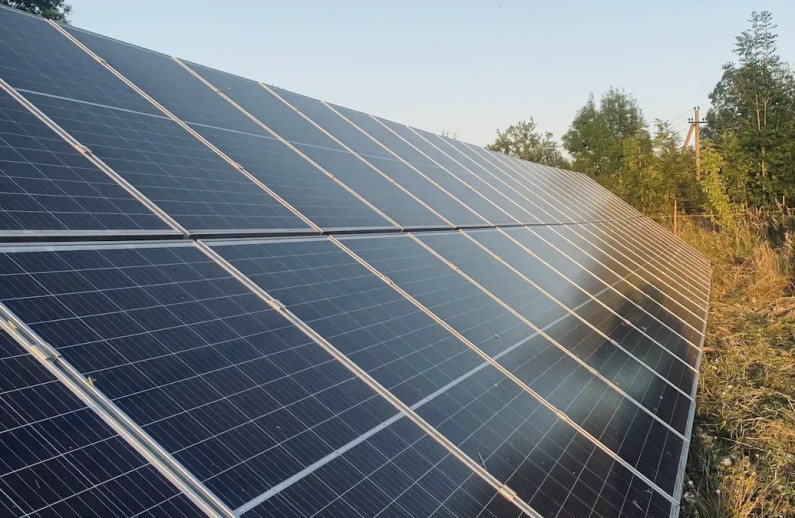
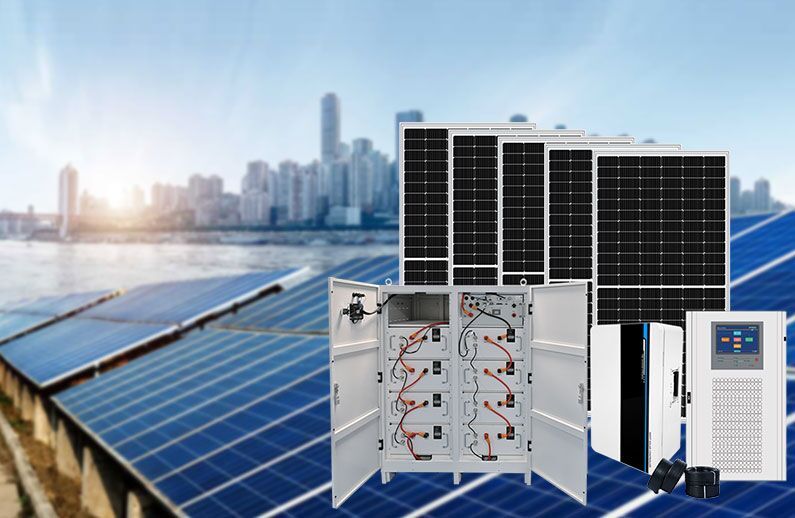
Solusi off-grid memberdayakan lokasi industri terpencil dengan menyediakan kemandirian energi dan mengurangi ketergantungan pada sumber bahan bakar tradisional. Banyak bisnis memilih Sistem Tenaga Surya untuk mencapai operasi yang konsisten dan biaya yang lebih rendah. Pergeseran dari tenaga listrik jaringan dan diesel berasal dari kebutuhan akan energi yang andal dan keinginan untuk memangkas biaya bahan bakar dan pemeliharaan. Sistem tenaga surya off-grid juga menciptakan lingkungan yang lebih bersih dengan meminimalkan emisi karbon dan kebisingan.Keandalan tetap sangat penting untuk operasi di lokasi terpencil. Tabel di bawah ini membandingkan generator diesel dan sistem tenaga surya off-grid dengan penyimpanan energi: FaktorGenerator DieselSistem Tenaga Surya dan Penyimpanan Energi Mandiri (Off-Grid)KeandalanBergantung pada pasokan bahan bakar & perawatanTinggi (dengan ukuran & penyimpanan yang tepat) Poin-Poin PentingSistem tenaga surya off-grid menyediakan energi yang andal untuk lokasi industri terpencil, memastikan operasi berjalan lancar tanpa gangguan.Beralih ke energi surya off-grid dapat mengurangi biaya energi hingga 70%, membantu bisnis menghemat uang untuk bahan bakar dan perawatan.Sistem-sistem ini mengurangi emisi karbon dan polusi suara, menjadikannya pilihan ramah lingkungan bagi industri yang berupaya mencapai keberlanjutan.Desain modular memungkinkan perusahaan untuk memperluas sistem tenaga surya mereka dengan mudah seiring bertambahnya kebutuhan energi, sehingga menjamin fleksibilitas dan efisiensi.Berinvestasi pada sistem tenaga surya off-grid dapat menghasilkan penghematan jangka panjang yang signifikan dan pengembalian investasi yang kuat, seringkali dalam waktu 5 hingga 8 tahun. Kemandirian Energi dengan Tenaga Surya MandiriPasokan Listrik Andal untuk Fasilitas Industri TerpencilSolusi tenaga surya off-grid memberikan kemampuan kepada fasilitas industri terpencil untuk beroperasi tanpa gangguan. Sistem ini menghasilkan listrik menggunakan panel surya dan menyimpan kelebihan energi dalam bank baterai. Pengaturan ini memastikan daya yang andal bahkan di malam hari atau ketika sinar matahari terbatas. Misalnya, sebuah operasi pertambangan yang berlokasi lebih dari 200 kilometer dari jaringan listrik terdekat memasang sistem tenaga surya dengan panel surya 5 MW dan penyimpanan lithium-ion 20 MWh. Proyek ini mengurangi konsumsi bahan bakar sebesar 65 persen dan hampir menghilangkan waktu henti. Perusahaan tersebut melihat pengembalian investasi yang positif dalam waktu lima tahun. Hasil ini menunjukkan bahwa sistem tenaga surya off-grid dapat memberikan stabilitas operasional dan manfaat finansial.Panel surya dalam sistem tenaga listrik off-grid tahan terhadap kondisi cuaca buruk. Panel bersertifikasi tahan terhadap hujan es dan angin kencang. Braket pemasangan tahan badai dan desain yang kokoh melindungi instalasi di lingkungan ekstrem. Bank baterai menyimpan energi untuk digunakan selama badai atau hari berawan. Sistem yang dirancang dengan baik menjaga peralatan tetap beroperasi bahkan ketika jaringan listrik padam. Sistem penyimpanan baterai canggih mengelola pasokan dan permintaan energi, memastikan lokasi terpencil memiliki daya yang berkelanjutan.Sistem manajemen energi cerdas memprediksi kebutuhan energi dan mengontrol siklus pengisian baterai. Teknologi ini membantu menjaga operasi yang konsisten dan mengurangi risiko pemadaman listrik yang tidak terduga. Meminimalkan Ketergantungan pada JaringanSolusi tenaga surya off-grid memungkinkan perusahaan untuk menghindari risiko dan biaya yang terkait dengan ketergantungan pada jaringan listrik. Lokasi terpencil sering menghadapi tantangan seperti koneksi jaringan listrik yang tidak stabil atau kekurangan bahan bakar. Sistem off-grid beroperasi secara independen, sehingga tidak bergantung pada sumber daya listrik eksternal. Panel surya mengubah sinar matahari menjadi listrik, sementara bank baterai menyimpan energi untuk digunakan kemudian. Pendekatan ini memastikan bahwa fasilitas industri terpencil dapat mempertahankan operasinya bahkan selama pemadaman jaringan listrik atau gangguan rantai pasokan.Beralih ke sistem tenaga surya off-grid juga membantu perusahaan menurunkan biaya operasional. Dengan mengurangi kebutuhan bahan bakar diesel, lokasi dapat memangkas pengeluaran energi hingga 70 persen. Sistem off-grid juga mendukung kepatuhan lingkungan dengan mengurangi emisi karbon dan polusi suara. Manfaat-manfaat ini menjadikan solusi tenaga surya off-grid terjangkau dan berkelanjutan untuk penggunaan jangka panjang.Pemantauan jarak jauh dan perangkat digital canggih semakin meningkatkan nilai sistem off-grid. Teknologi ini memungkinkan pemeliharaan prediktif dan mengurangi kebutuhan personel di lokasi. Akibatnya, perusahaan dapat mengoptimalkan penggunaan sumber daya dan mengatasi kesenjangan keterampilan lokal dengan lebih efektif. Penghematan Biaya dari Solusi Tenaga Surya Off-GridMenurunkan Biaya Operasional dan Bahan BakarFasilitas industri terpencil sering menghadapi biaya energi yang tinggi karena transportasi bahan bakar dan pemeliharaan generator. Solusi tenaga surya off-grid membantu lokasi-lokasi ini mencapai pengurangan biaya energi yang signifikan dengan menggunakan panel surya dan bank baterai untuk menghasilkan dan menyimpan listrik di lokasi. Pendekatan ini menghilangkan kebutuhan akan pengiriman bahan bakar secara terus-menerus dan mengurangi risiko lonjakan harga. Misalnya, sebuah fasilitas pertambangan di wilayah gurun terpencil mencapai pengurangan biaya bahan bakar sebesar 65% setelah memasang sistem tenaga surya. Banyak lokasi melaporkan potensi penghematan hingga 70% ketika beralih dari generator diesel ke panel surya dan bank baterai.Tabel berikut menyoroti perbedaan biaya pemasangan dan perawatan antara generator diesel dan sistem PV surya: Sumber EnergiBiaya Instalasi (per kWh)Biaya Pemeliharaan (per kWh)Total Biaya Energi (per kWh)Generator DieselBiaya awal yang tinggiTinggi dan mudah berubahHingga $0,672Sistem PV SuryaProyek modal besarBiaya operasional minimal$0,10 hingga $0,33 Panel surya menyediakan energi gratis setelah dipasang, dan bank baterai memastikan daya tersedia bahkan ketika sinar matahari rendah. Biaya perawatan sistem surya off-grid tetap rendah, sehingga solusi ini terjangkau dalam jangka panjang. Efektivitas biaya tenaga surya menjadi jelas ketika membandingkan biaya operasional jangka panjang. Penghematan Jangka Panjang dan ROISolusi tenaga surya off-grid menawarkan pengembalian finansial yang kuat untuk fasilitas industri di lokasi terpencil. Sistem ini dapat menghilangkan tagihan listrik bulanan dan melindungi bisnis dari fluktuasi harga utilitas. Menurunnya biaya panel surya dan desain sistem modular memungkinkan perusahaan untuk berkembang sesuai kebutuhan, hanya membayar untuk apa yang mereka gunakan.Banyak lokasi terpencil mencapai titik impas investasi dalam waktu 5 hingga 8 tahun, tergantung pada ukuran dan lokasi proyek. Dalam jangka waktu 30 tahun, pengembalian investasi dapat berkisar antara 150% hingga 500%. Bank baterai menyediakan daya cadangan selama pemadaman jaringan listrik atau bencana alam, memastikan operasi yang tidak terganggu. Penghematan seumur hidup dapat mencapai hingga $44.000 untuk beberapa fasilitas. Solusi tenaga surya di luar jaringan listrik memberikan energi yang andal, terjangkau, dan dapat diskalakan, menjadikannya pilihan cerdas untuk efektivitas biaya jangka panjang. Dampak Lingkungan dari Sistem Tenaga Surya Mandiri (Off-Grid)Mengurangi Jejak KarbonSistem tenaga surya off-grid membantu operasi industri di lokasi terpencil mengurangi dampak lingkungan. Fasilitas-fasilitas ini seringkali bergantung pada generator diesel, yang menghasilkan emisi karbon dalam jumlah tinggi. Dengan beralih ke panel surya dan penyimpanan baterai, perusahaan dapat mengurangi konsumsi bahan bakar dan polusi.Sebuah fasilitas pertambangan yang memasang panel surya 5 MW dan penyimpanan lithium-ion 20 MWh mengalami penurunan penggunaan bahan bakar sebesar 65%.Solusi tenaga surya off-grid dapat mengurangi biaya bahan bakar operasional hingga 70%, yang berujung pada pengurangan emisi karbon yang signifikan.Di UEA, pembangkit listrik tenaga surya berbiaya hingga 75% lebih rendah daripada diesel, yang mendorong adopsi sumber energi yang lebih bersih.Energi surya menyediakan sumber energi terbarukan yang tidak menghasilkan gas rumah kaca selama pengoperasiannya. Hal ini menjadikan sistem tenaga surya off-grid sebagai pilihan ramah lingkungan bagi industri di lokasi terpencil. Emisi yang lebih rendah juga berarti polusi udara yang lebih sedikit, yang menguntungkan baik pekerja maupun masyarakat setempat.Perusahaan yang berinvestasi dalam sistem tenaga surya off-grid menunjukkan kepemimpinan dalam tanggung jawab lingkungan dan memberikan contoh positif bagi industri ini. Mendukung Tujuan KeberlanjutanBanyak lokasi industri terpencil berupaya memenuhi target keberlanjutan yang ketat. Sistem tenaga surya tanpa jaringan listrik membantu lokasi-lokasi ini mencapai kemajuan yang terukur menuju tujuan tersebut. MetrikNilaiPengurangan CO2 tahunan50.000 ton metrik/lokasiPenghapusan bahan bakar dieselJutaan galonPenurunan polusi udaraPengurangan yang signifikanPenurunan polusi suaraPengurangan yang signifikan Sistem off-grid menyediakan otonomi energi dan memungkinkan komunitas terpencil untuk beroperasi tanpa bergantung pada jaringan terpusat. Hal ini mengurangi ketergantungan pada impor bahan bakar yang mahal dan mendukung strategi energi berkelanjutan jangka panjang. Penggunaan inverter surya memungkinkan bahkan daerah terpencil untuk mengakses daya yang andal, yang sejalan dengan upaya global untuk memastikan energi yang terjangkau dan modern bagi semua.Dengan mengadopsi energi surya off-grid, perusahaan dapat memenuhi peraturan lingkungan, meningkatkan citra publik mereka, dan berkontribusi pada planet yang lebih bersih. Skalabilitas dan Fleksibilitas untuk Fasilitas Industri Jarak JauhEkspansi Modular Sistem Tenaga SuryaFasilitas industri terpencil seringkali membutuhkan solusi energi yang dapat berkembang seiring dengan operasional mereka. Sistem tenaga surya dengan desain modular memungkinkan bisnis untuk menambah kapasitas seiring dengan meningkatnya kebutuhan mereka. Pendekatan ini menghilangkan kebutuhan akan perbaikan besar-besaran atau perubahan infrastruktur yang kompleks. Perusahaan dapat memulai dengan instalasi kecil dan memperluas sistem dengan menambahkan lebih banyak panel surya dan unit bank baterai seiring waktu. Fleksibilitas ini memastikan bahwa pasokan energi sesuai dengan permintaan tanpa pengeluaran berlebihan untuk kapasitas yang tidak terpakai.Infrastruktur yang skalabel mendukung penyebaran cepat di daerah terpencil.Panel surya menghasilkan listrik di titik penggunaan, yang meningkatkan keandalan.Bank baterai menyimpan energi berlebih, sehingga daya tersedia selama periode minim sinar matahari.Solusi tenaga surya off-grid beroperasi secara independen dari jaringan listrik tradisional. Fitur ini menjadikannya ideal untuk lokasi dengan akses jaringan listrik yang terbatas atau tidak andal. Ekspansi modular juga mengurangi waktu henti selama peningkatan, yang membantu menjaga operasi berkelanjutan.Sistem tenaga hibrida surya modular dapat mengintegrasikan berbagai sumber energi, memberikan solusi yang disesuaikan untuk kebutuhan proyek yang unik. Beradaptasi dengan Perubahan Kebutuhan EnergiFasilitas industri terpencil sering menghadapi perubahan kebutuhan energi akibat pertumbuhan proyek atau peralatan baru. Desain sistem tenaga surya off-grid mengatasi tantangan ini dengan memungkinkan peningkatan dan penyesuaian yang mudah. Perusahaan dapat merencanakan kebutuhan energi di masa depan dan meningkatkan skala sistem mereka sesuai kebutuhan.Beberapa faktor mendukung kemampuan adaptasi ini:Kemajuan dalam teknologi bank baterai meningkatkan keandalan dan kapasitas penyimpanan.Inovasi pada panel surya meningkatkan keluaran energi dan mengurangi kebutuhan ruang.Sistem manajemen energi cerdas memungkinkan pemantauan dan optimalisasi penggunaan energi secara real-time.Dukungan komunitas dan perencanaan yang cermat memastikan keberhasilan instalasi di luar jaringan listrik.Tantangan logistik, seperti transportasi dan pemeliharaan peralatan, dapat memengaruhi lokasi terpencil. Namun, sifat sistem modular yang terjangkau membantu mengurangi hambatan ini. Solusi tenaga surya off-grid menyediakan sumber energi yang andal dan fleksibel yang berkembang sesuai dengan kebutuhan operasi industri di lokasi terpencil. Aplikasi Praktis Energi Surya Off-Grid di IndustriPertambangan dan Ekstraksi Sumber DayaLokasi pertambangan dan ekstraksi sumber daya sering beroperasi di daerah terpencil. Lokasi-lokasi ini membutuhkan sumber energi yang andal untuk mempertahankan produksi yang berkelanjutan. Solusi tenaga surya off-grid telah mengubah manajemen energi untuk industri-industri ini. Panel surya berkapasitas tinggi yang dipadukan dengan sistem bank baterai canggih memberikan daya yang konsisten, bahkan selama periode sinar matahari rendah. Penyeimbangan beban otomatis dan algoritma prediktif bertenaga AI mengoptimalkan penangkapan dan distribusi energi, yang meningkatkan keandalan operasional.Tambang Borden memberikan contoh yang kuat. Setelah beralih ke sistem tenaga surya, tambang tersebut mengurangi tagihan listriknya sebesar 35% pada tahun pertama. Pada tahun keempat, instalasi tenaga surya tersebut telah balik modal. Banyak lokasi pertambangan melaporkan pengurangan biaya energi antara 20% dan 40% dalam tahun pertama. Hasil ini menunjukkan bahwa instalasi sistem tenaga surya di luar jaringan listrik dapat meningkatkan kinerja keuangan dan stabilitas daya. Jenis BuktiKeteranganPengurangan BiayaLokasi pertambangan yang dilengkapi instalasi tenaga surya telah mengalami penurunan biaya energi sebesar 20-40% dalam tahun pertama.Studi KasusBorden Mine berhasil mengurangi tagihan listriknya sebesar 35% pada tahun pertama setelah beralih ke energi surya.KeandalanSistem tenaga surya modern yang dipadukan dengan penyimpanan baterai memastikan pasokan daya yang berkelanjutan, menyamai sumber daya tradisional. Minyak, Gas, dan Lokasi KonstruksiLokasi pengeboran minyak, gas, dan konstruksi di daerah terpencil menghadapi tantangan energi yang unik. Sistem daya jarak jauh untuk aplikasi industri Memenuhi kebutuhan ini dengan menyediakan listrik yang stabil tanpa bergantung pada bahan bakar fosil. Panel surya dan bank baterai memasok daya untuk peralatan, penerangan, dan sistem keselamatan. Instalasi ini menciptakan lapangan kerja bagi pekerja lokal dan menawarkan energi yang hemat biaya bagi masyarakat sekitar.Solusi tenaga surya off-grid mengurangi biaya operasional dan dampak lingkungan.Hal itu meningkatkan kemandirian energi dan membuka peluang ekonomi baru.Sistem energi terbarukan menghasilkan sedikit atau bahkan tidak ada gas rumah kaca, yang mendukung tujuan iklim.Pasokan energi yang andal meningkatkan produktivitas dan keselamatan di lokasi kerja.Beralih ke sistem tenaga surya off-grid membantu perusahaan menurunkan biaya dan memenuhi standar lingkungan. Manfaat ini menjadikan tenaga surya sebagai pilihan praktis untuk fasilitas industri di lokasi terpencil. Telekomunikasi Jarak JauhMenara telekomunikasi dan stasiun data sering beroperasi jauh dari jaringan listrik utama. Sistem tenaga surya off-grid menghasilkan, menyimpan, dan mendistribusikan energi secara independen, menjadikannya ideal untuk aplikasi ini. Panel surya mengubah sinar matahari menjadi listrik, yang kemudian disimpan oleh bank baterai untuk digunakan pada hari-hari berawan atau malam hari.Sistem off-grid menghindari biaya tinggi untuk memperluas jaringan listrik ke lokasi terpencil.Mereka menyediakan solusi energi yang berkelanjutan dan terjangkau untuk infrastruktur komunikasi yang penting.Pasokan listrik yang andal memastikan layanan tanpa gangguan bagi komunitas terpencil dan petugas tanggap darurat.Instalasi tenaga surya di luar jaringan membantu penyedia telekomunikasi menjaga keandalan operasional dan mengurangi biaya energi jangka panjang. Sistem ini mendukung perluasan jaringan digital ke wilayah yang kurang terlayani. Sistem tenaga surya jarak jauh industri Memberikan fasilitas-fasilitas ini sumber energi yang andal, penghematan biaya, dan manfaat lingkungan. Banyak lokasi mengalami peningkatan kualitas hidup dan pertumbuhan ekonomi, seperti yang terlihat di desa-desa seperti Dharnai. Sistem ini mendukung layanan penting dan bisnis lokal. Para pengambil keputusan harus meninjau kondisi lokasi, kebutuhan energi di masa depan, dan tantangan instalasi. > Para ahli merekomendasikan untuk berkonsultasi dengan para profesional untuk merancang solusi yang sesuai dengan kebutuhan unik dan memaksimalkan nilai jangka panjang. Pertanyaan yang Sering Diajukan (FAQ)Apa itu sistem tenaga listrik off-grid?Sistem tenaga listrik off-grid menghasilkan listrik secara independen dari jaringan listrik utama. Sistem ini biasanya menggabungkan panel surya, baterai, dan pengontrol. Sistem ini menyediakan energi yang andal untuk lokasi terpencil, mengurangi ketergantungan pada sumber daya listrik eksternal dan mendukung operasi yang berkelanjutan.Bagaimana sistem off-grid meningkatkan keandalan?Sistem off-grid menyimpan energi berlebih dalam baterai, memastikan daya terus menerus selama hari berawan atau di malam hari. Sistem yang dirancang dengan benar tahan terhadap cuaca buruk dan mencakup opsi cadangan. Pengaturan ini menjamin operasi yang stabil untuk lokasi industri terpencil, bahkan ketika akses jaringan listrik tidak tersedia.Apakah sistem tenaga listrik off-grid hemat biaya?Ya, solusi off-grid menurunkan biaya operasional dengan mengurangi pengeluaran bahan bakar dan perawatan. Meskipun investasi awal bisa tinggi, penghematan jangka panjang dari penurunan penggunaan bahan bakar dan perawatan minimal membuat solusi off-grid menarik secara finansial bagi industri di daerah terpencil.Bisakah sistem off-grid beradaptasi dengan pertumbuhan bisnis?Tentu saja. Sistem off-grid bersifat modular, memungkinkan perusahaan untuk memperluas kapasitas dengan menambahkan lebih banyak panel surya atau baterai. Fleksibilitas ini mendukung perubahan kebutuhan energi tanpa perlu perombakan besar, sehingga ideal untuk operasi di lokasi terpencil yang sedang berkembang.Industri apa saja yang paling diuntungkan dari sistem tenaga listrik off-grid?Pertambangan, minyak dan gas, konstruksi, dan telekomunikasi jarak jauh sering kali bergantung pada solusi di luar jaringan listrik. Industri-industri ini beroperasi di daerah terpencil di mana akses jaringan listrik tradisional terbatas, sehingga sistem tenaga listrik industri di luar jaringan Penting untuk operasi yang berkelanjutan dan berkesinambungan.





 DIDUKUNG JARINGAN
 Bahasa


